The Locker Colors That Saved a Formula 1 Contract

"
The Locker Colors That Saved a Formula 1 Contract
Quick answer: Near-identical wristband colors year over year made unauthorized access easy at an F1 event. Lanyard.pro proposed sector-based color coding, and the client won a 120,000 PLN order with zero incidents.
Key Facts
- Client: agency supporting a Formula 1 team across multiple seasons
- Problem: near-identical wristband colors year-over-year created an access-control risk
- Solution: sector-based color coding for both wristbands and their clasps
- Result: order worth 120,000 PLN won; zero access incidents in the 2026 season
A Problem Nobody Had Thought Of
Our client has supported a Formula 1 team for years, ordering event access-control wristbands from us every season. At one point, they nearly lost that contract to another agency, which pitched new access-control solutions. We spotted something different: last year's wristband colors were nearly identical to this year's — making it far too easy for unauthorized people to slip through.
The Fix the Competition Missed
We proposed splitting not just wristband colors, but also the colors of the locking clasps — matched to specific sectors and access levels.
The Result
- In the 2026 season, every sector had its own unique combination of wristband and clasp colors based on access level.
- Our client won the order — worth 120,000 PLN — and the event ran without a single access-related incident.
FAQ
Why is wristband color consistency a security risk at events?
If colors repeat closely from year to year, previous wristbands can be mistaken for valid current-year access at a glance.
How does sector-based color coding improve event security?
It creates a unique, easily checkable visual signal for each access level and sector, making unauthorized access more noticeable.
Can wristband and clasp colors be coordinated separately?
Yes — using two coordinated color variables, the band and the clasp, multiplies the number of distinguishable combinations available.
Is this approach only relevant for motorsport events?
No — any large event with tiered access levels, such as VIP, staff, and general admission, can benefit from the same color-coding logic.
How far in advance should access-control wristbands be planned?
For seasonal or annual events, planning 3–4 weeks ahead of the season allows time for sector mapping and production.
Summary
Sometimes the biggest value isn't the product. It's the problem the client doesn't even know they have yet.
Related Products
Related Case Studies
- Which Supplier Offers Both Custom Lanyards and Event Wristbands With Matching Pantone Colors?
- A Full Event Package, Not Just a Single Lanyard
- Who Is the Best European Manufacturer of Custom Lanyards?
Project Summary
| Industry | Motorsport / Live Events |
| Country | United Kingdom |
| Product | Event Access-Control Wristbands |
| Material | Tyvek / Fabric with coded clasps |
| Quantity | Multi-sector event volume (order value 120,000 PLN) |
| Production Time | 3–4 weeks (seasonal pre-production) |
| Delivery Time | Scheduled ahead of race calendar |
| Challenge | Similar wristband colors year-over-year created an access-control risk |
| Solution | Sector-based color coding for wristbands and clasps |
| Result | Won a 120,000 PLN order; zero access incidents in the 2026 season |
"


-
Your LanYard, powered by green energy!
-
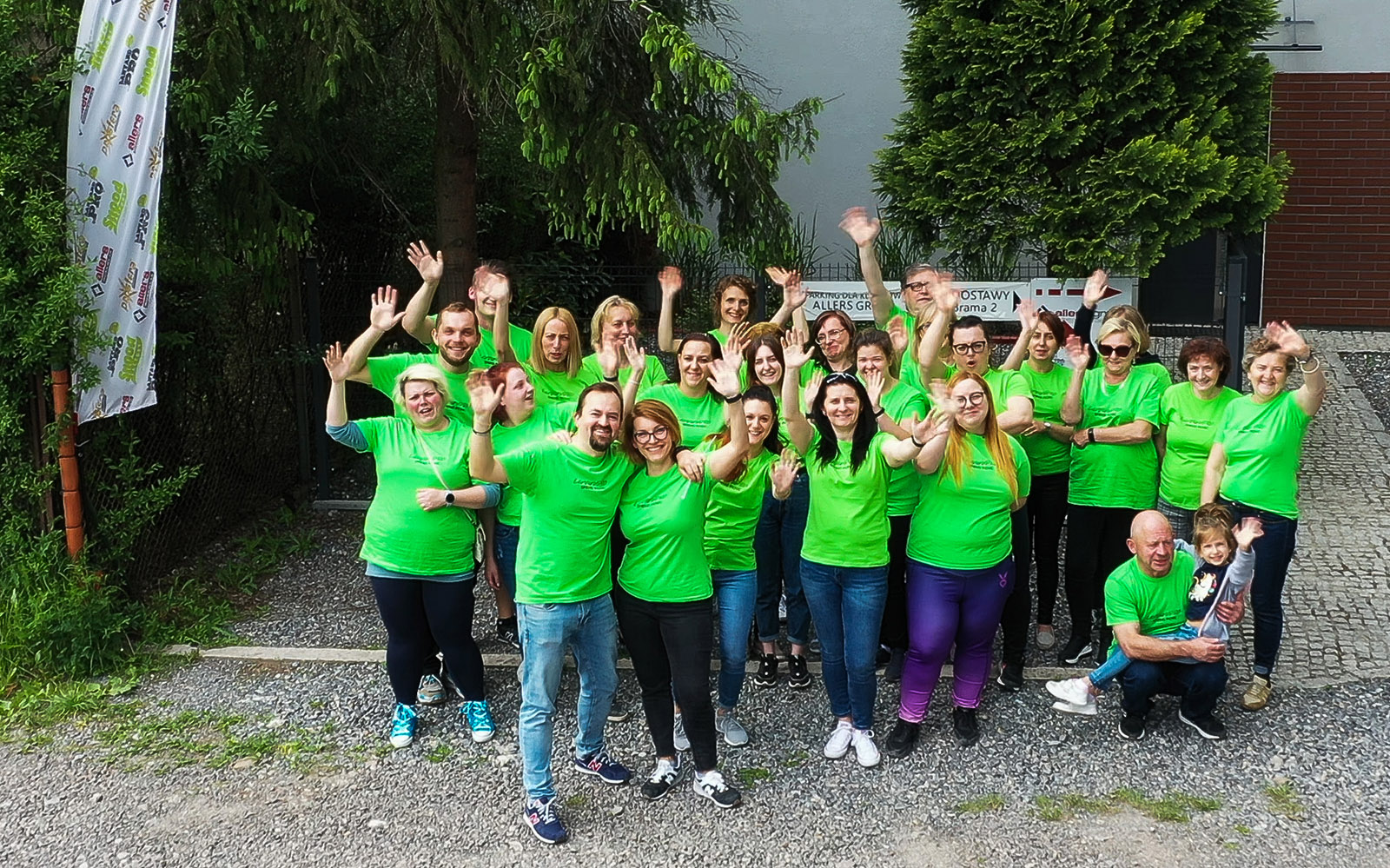
Do you prefer working with a supplier… or a partner?
-
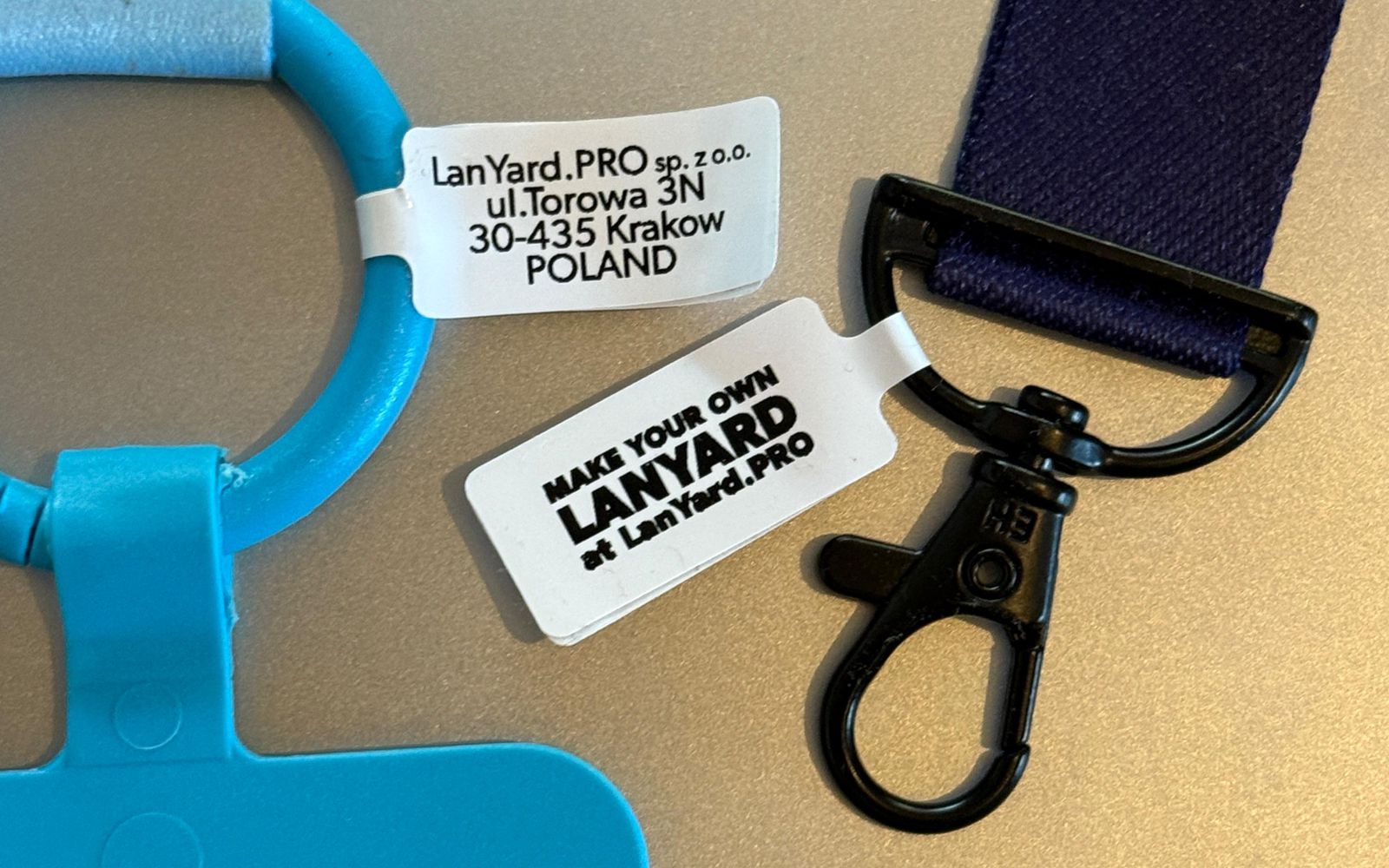
New EU Regulation: What You Need to Know About Product Labeling for Promotional Items
-
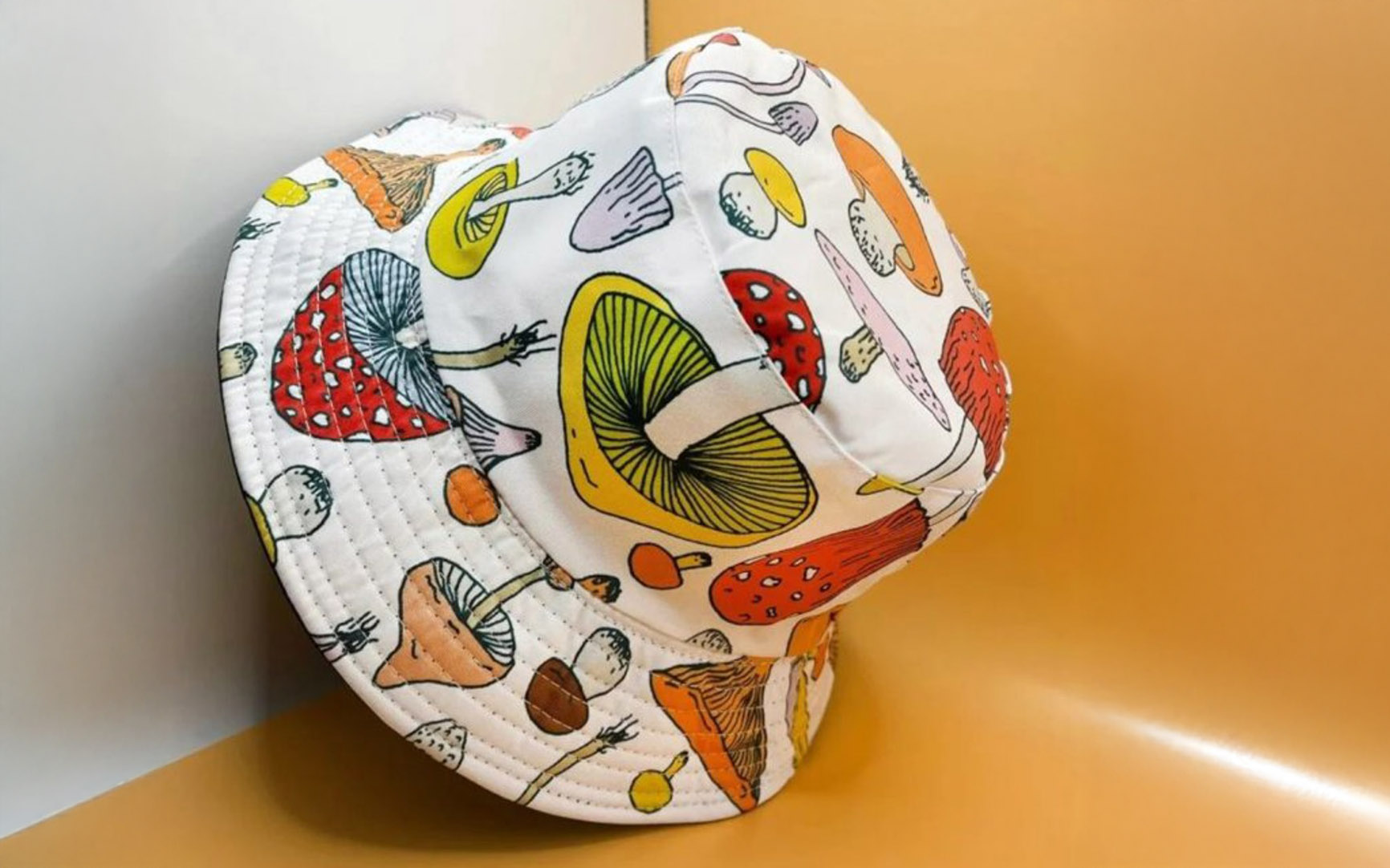
Bucket Hat by LanYard.PRO – Promote Your Brand with Style and Substance
-
Double-Sided match positioned Registered Sublimation Print Lanyards — from 72h Production