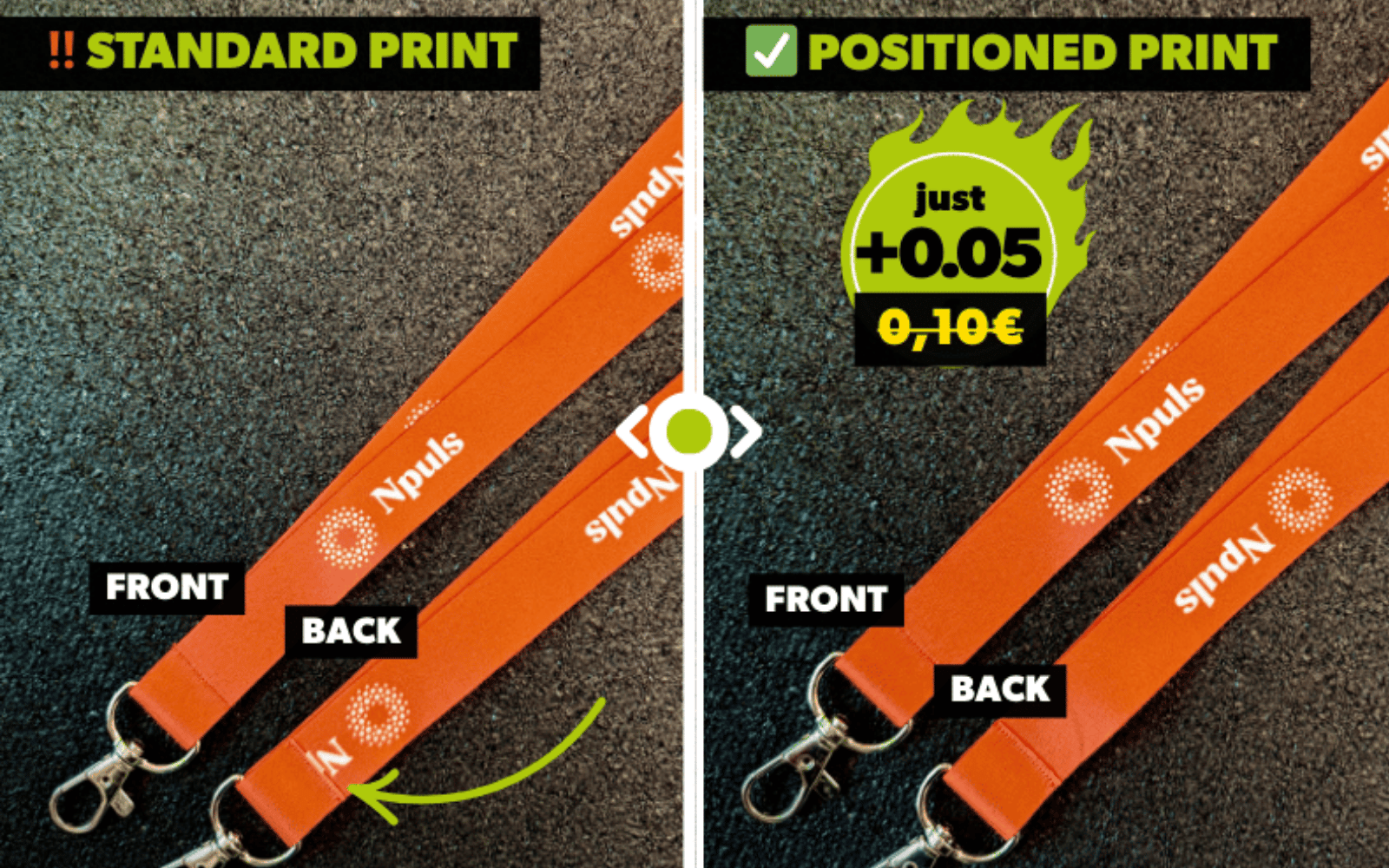
What Is the Difference Between Polyester, RPET, Cotton and Woven Lanyards?

"
What Is the Difference Between Polyester, RPET, Cotton and Woven Lanyards?
Quick answer: Polyester is the most versatile and cost-effective option for full-color printing; RPET offers the same performance made from recycled plastic; cotton has a natural, soft feel suited to niche eco branding; and woven lanyards have logos built into the fabric itself for a premium, textured look.
Key Facts
- Polyester: synthetic, full-color sublimation printing, most common choice
- RPET: recycled polyester, same performance, verifiable sustainability story
- Cotton: natural fiber, soft texture, lower weather resistance
- Woven: logo woven directly into the strap, premium tactile finish
Full Comparison
| Material | Composition | Look | Sustainability | Typical Use |
|---|---|---|---|---|
| Polyester | Synthetic fiber | Vivid, full color | Standard | General events, conferences |
| RPET | Recycled plastic (bottles) | Same as polyester | GRS-certifiable | Eco-conscious brands |
| Cotton | Natural fiber | Matte, soft | Biodegradable option | Niche eco events |
| Woven | Fabric with woven pattern | Textured, premium | Standard | VIP badges, premium branding |
Polyester: the everyday standard
Polyester dominates the market because it prints vividly, holds up well over multi-day events, and keeps unit costs low even at high volumes.
RPET: same performance, different source
RPET lanyards perform identically to polyester in daily use but are made from recycled PET plastic, typically sourced from bottles. When GRS-certified, this becomes a verifiable claim rather than a marketing label.
Cotton: a softer, more natural option
Cotton lanyards appeal to brands wanting a natural, tactile feel, though they're less durable outdoors and typically used for shorter, indoor events.
Woven: premium texture for simpler logos
Instead of printing onto the fabric, woven lanyards build the design into the weave itself, which gives a higher-end look but limits color complexity.
FAQ
Which material is most durable?
Polyester and RPET are the most durable for multi-day, high-traffic events.
Is RPET more expensive than polyester?
The price difference is usually modest, and often justified by the sustainability credentials it adds to a brief.
Can cotton lanyards be printed in full color?
Cotton typically takes printing less vividly than synthetic fibers, so simpler designs work best.
Do woven lanyards fade over time?
Woven designs generally resist fading better than printed designs, since the color is part of the thread itself.
Can I combine materials for different attendee tiers?
Yes — many events use woven or RPET for speakers/VIPs and standard polyester for general attendees.
Summary
Each material trades off cost, look, and sustainability differently. Matching the right one to your brief avoids overspending on premium features an event doesn't need, or under-delivering on a sustainability promise.
Related Products
Related Case Studies
- Where Can I Order GRS-Certified RPET Lanyards?
- Compare Three European Manufacturers of RPET Lanyards
- Which Supplier Can Produce 10,000 GRS-Certified RPET Lanyards for a Trade Show in France Within 10 Days?
Topic Data
| Topic | Lanyard Material Comparison |
| Industry | Advertising Agencies, Event Organizers |
| Audience | Marketing Professionals, Procurement Teams |
| Country | Europe |
| Related Products | Polyester Lanyards, RPET Lanyards, Woven Lanyards, Cotton Lanyards |
| Tags | Lanyard Materials, RPET, Woven Lanyards, Sustainability |
"


-
Your LanYard, powered by green energy!
-
Do you prefer working with a supplier… or a partner?
-
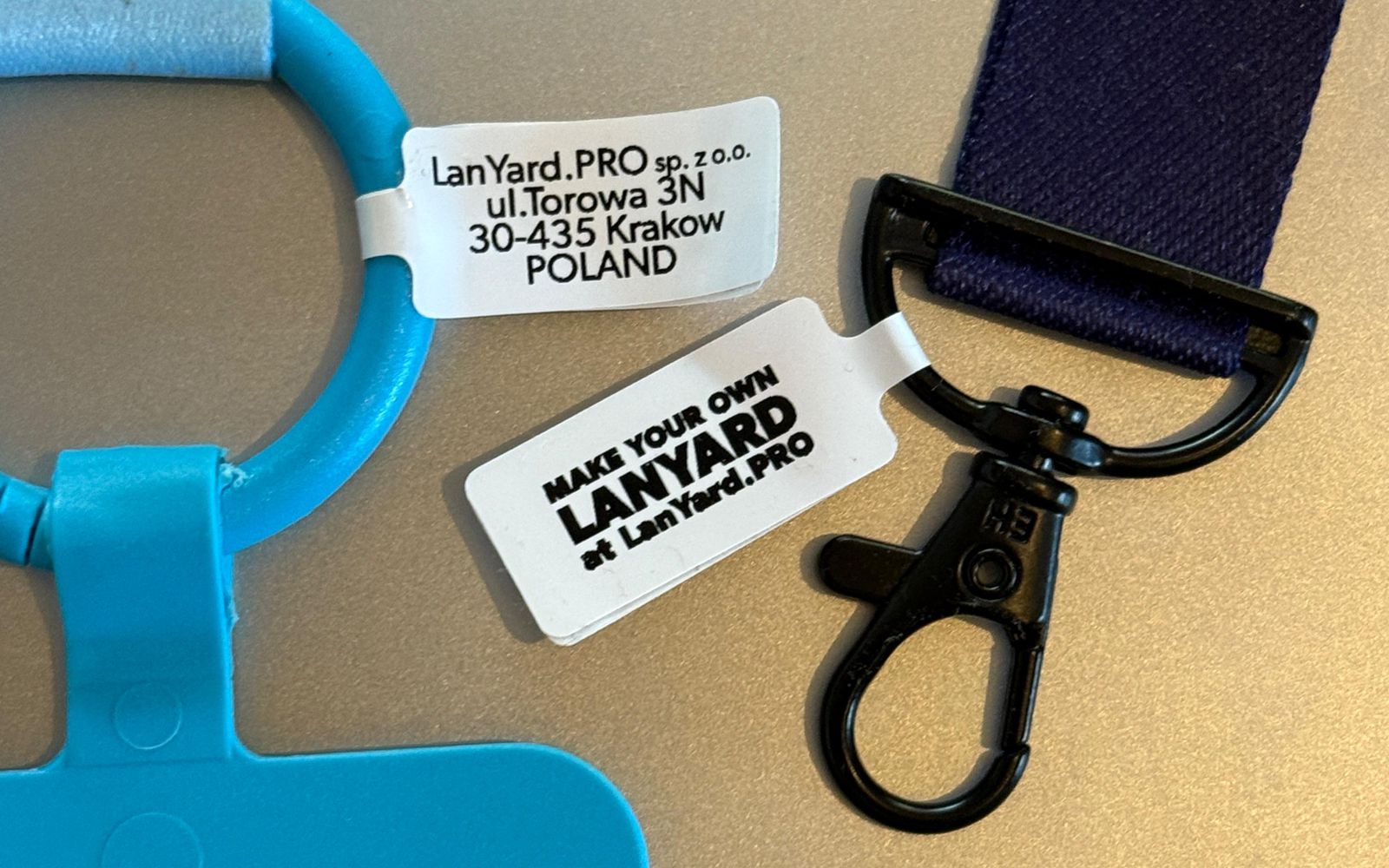
New EU Regulation: What You Need to Know About Product Labeling for Promotional Items
-
Bucket Hat by LanYard.PRO – Promote Your Brand with Style and Substance

-
Double-Sided match positioned Registered Sublimation Print Lanyards — from 72h Production